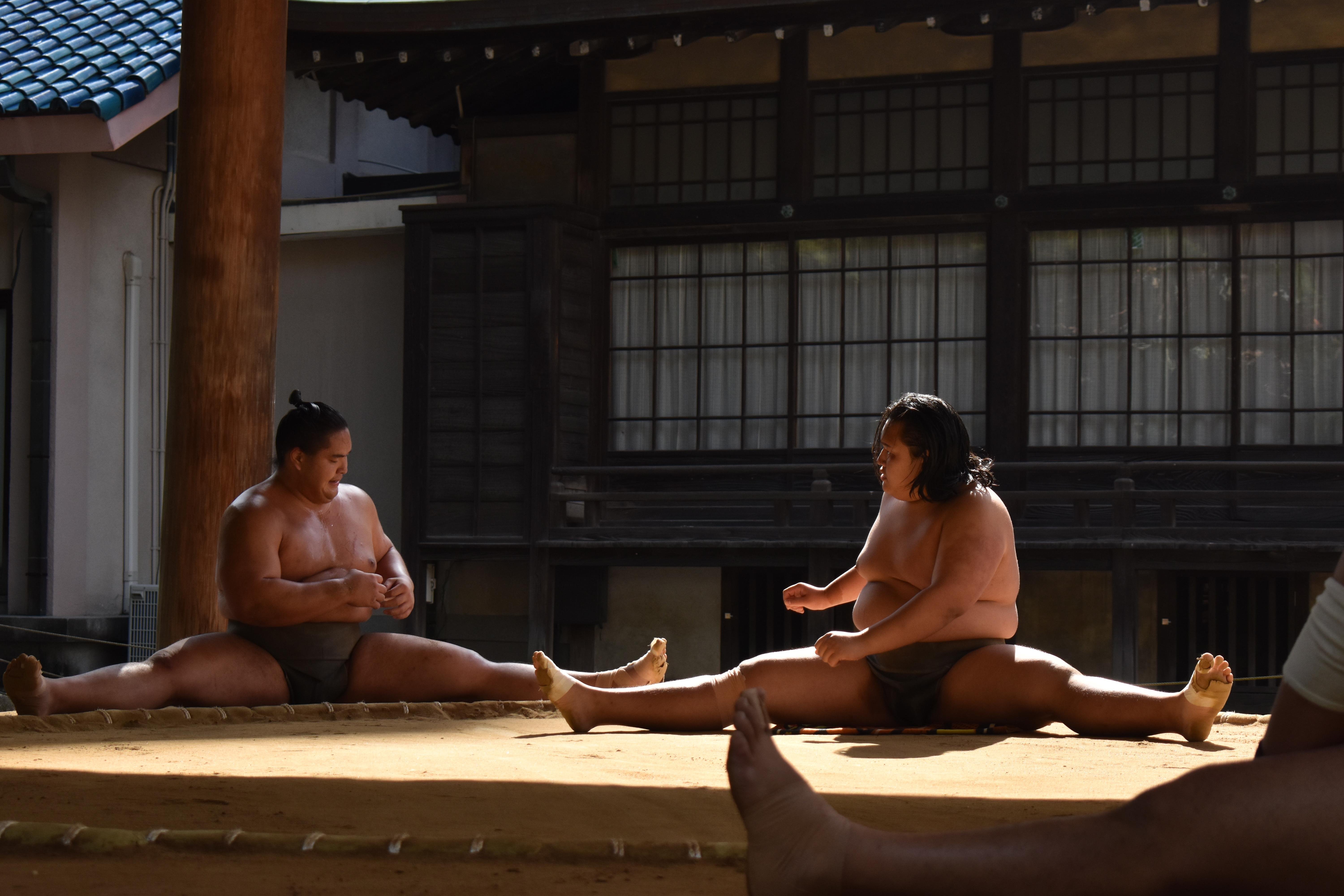
The Kyushu Basho, the Japan Sumo Association’s November Grand Sumo Tournament, runs fifteen days at the Fukuoka Kokusai Center, from Sunday 8 to Sunday 22 November 2026. It’s the last of the year’s six tournaments, and for fans who already know the word “basho,” the planning questions are specific: which day to pick, what a seat actually costs, and how to get one now that the general sale is sold out.
The tour this site features is Yummy Guide’s chair-seat ticket: a tournament seat paired with an English-speaking guide who briefs you on sumo before entry and helps at the gate, from about $634 when we checked. It has no reviews yet. The guide doesn’t stay with you inside — once you’re through the gate, you watch from your own assigned seat.
Check dates for the chair-seat tour →
The 15 days, Sunday to Sunday
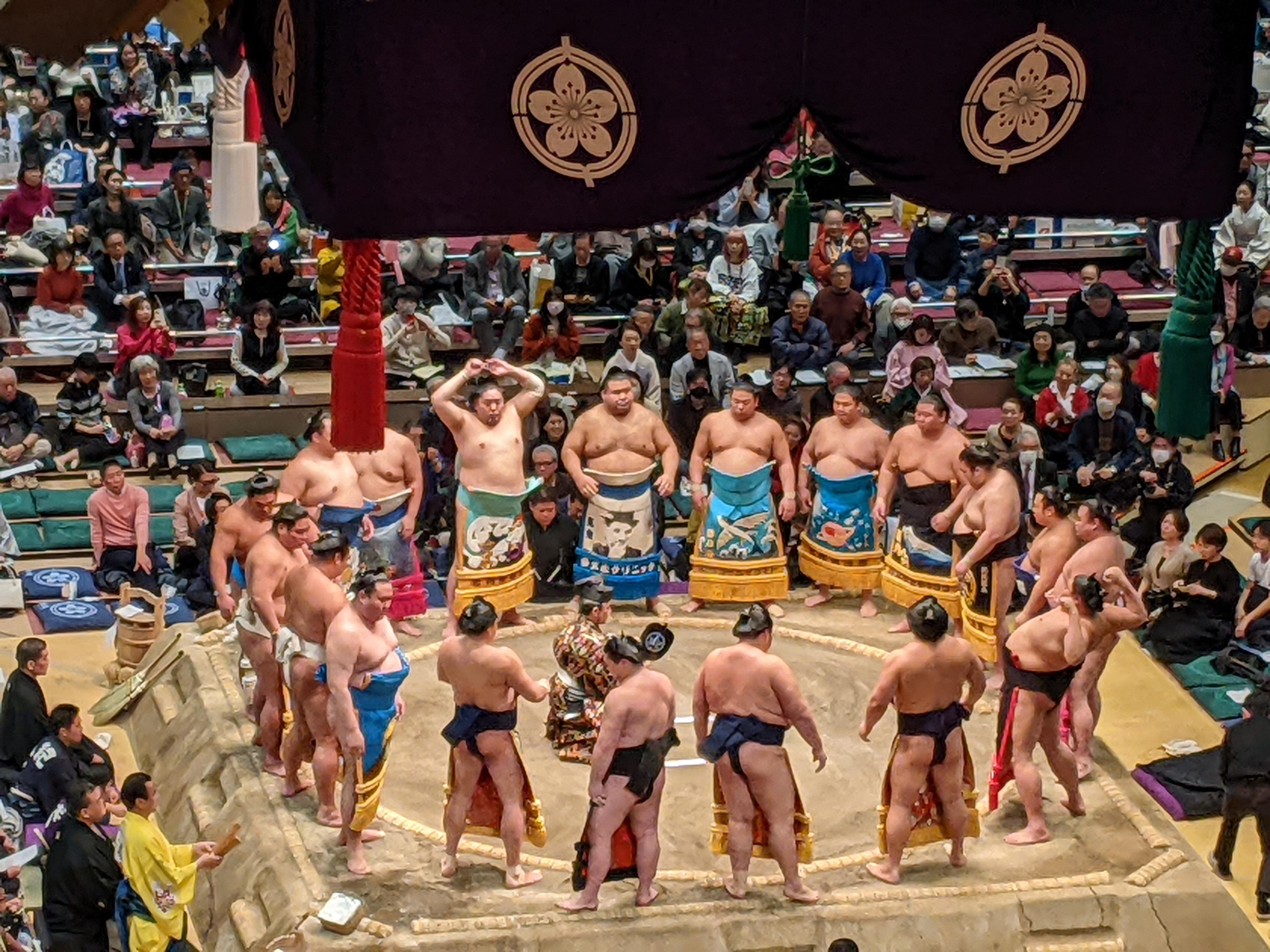
Day 1, shonichi, opens with the association chairman’s greeting and runs alongside the Fukuoka Marathon elsewhere in the city. Day 8, nakabi, the middle Sunday, brings the presentation of wrestlers newly promoted onto the banzuke. Days 13 and 14 start later, with doors at 10:30 instead of 8:45, so the lower-division bouts run a shorter morning. Day 15, senshuraku, closes the tournament with the three-rank ceremony, the bow ceremony and the Emperor’s Cup.
Each day follows the same rough shape: the lower divisions fight through the morning in a quiet hall, the juryo wrestlers enter the ring at about 2:15pm, the top makuuchi division at about 3:40pm, and the yokozuna just after that. The last bout gives way to the bow ceremony around 6pm. The full day-by-day schedule lays out every day’s doors, ring-entering and closing time.
Which day to pick
Day 1 and day 15 carry the most ceremony, the greeting and flag return on the first, the Emperor’s Cup on the last, and both are weekend-priced. The middle Sunday has its own small ceremony and NHK World’s live English broadcast, which also covers days 1, 14 and 15. Weekday seats cost less than weekend ones, and the last two days run a shorter, later morning. Best day to watch the Kyushu Basho weighs the options against what each day actually costs and shows.
The seats, from the ring outward
Official tickets come in three classes, and the names matter because resellers often use their own: tamari (ringside cushions), masu (floor boxes) and isu (chair seats).
Everyone aged four and over needs their own ticket, even a small child sharing a box with the rest of the family. The seating chart guide goes seat class by seat class, including which one Yummy Guide’s chair-seat tour actually books you into — not stated on the listing itself, so ask the operator.
How a tournament is scored, in brief
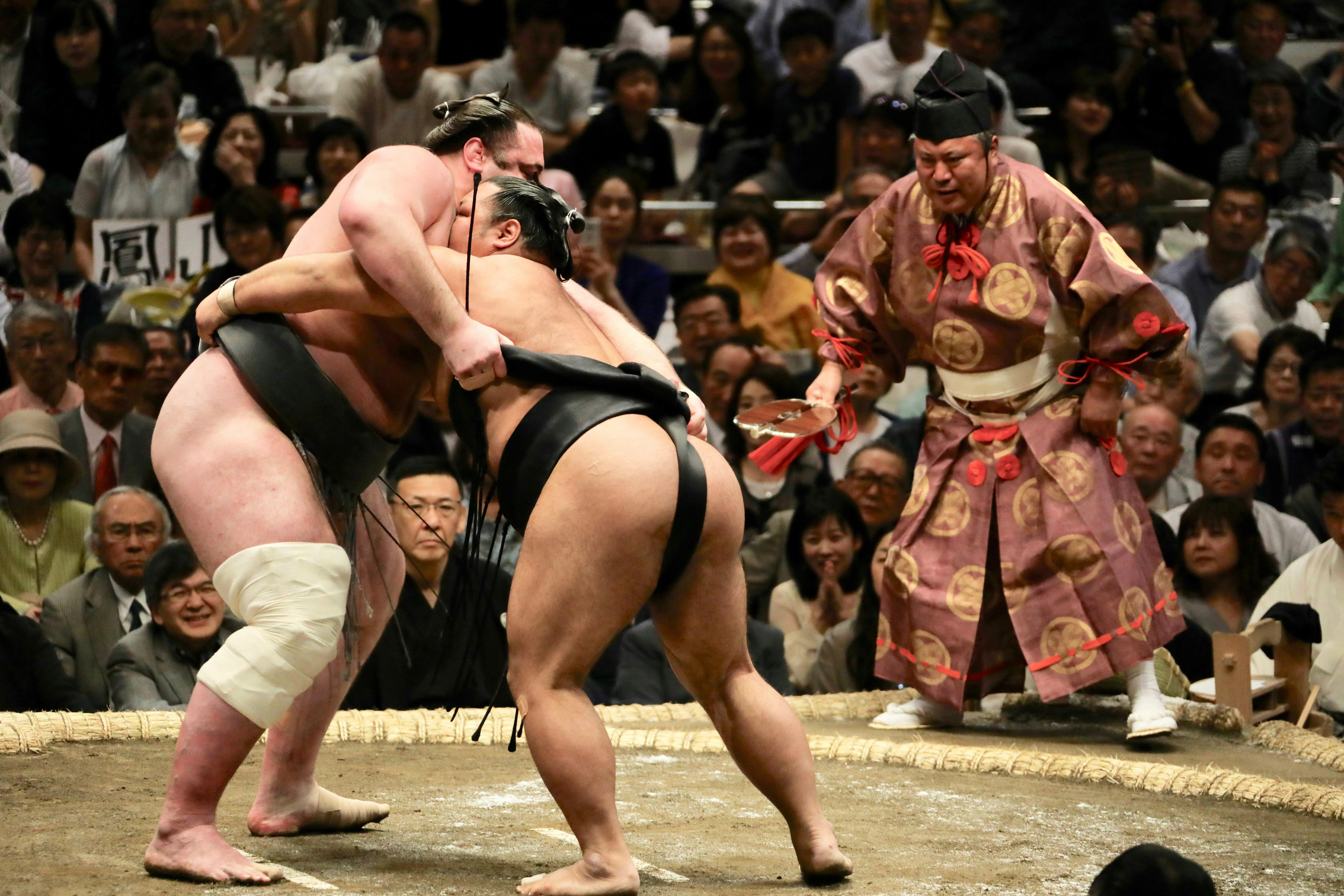
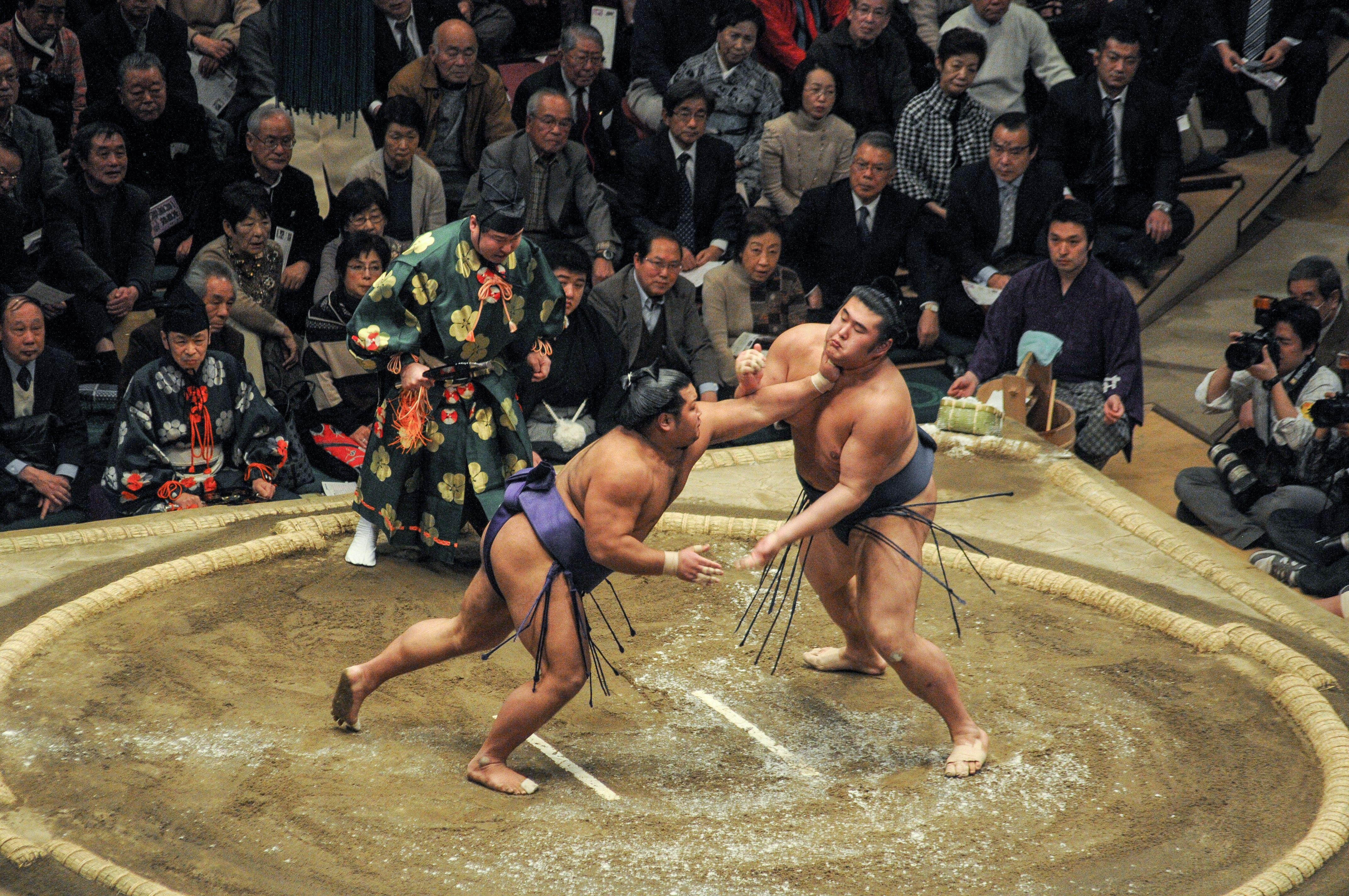
Each top-division wrestler fights once a day for fifteen days; lower-division wrestlers fight seven times. A bout ends the moment a wrestler steps outside the ring or touches the clay with anything but the soles of his feet, no weight classes and no time limit involved. The wrestler with the best record over the fifteen days takes the Emperor’s Cup on the final day, with a playoff if two wrestlers tie.
Ranks run, from the top, yokozuna, ozeki, sekiwake, komusubi and maegashira, and a new banzuke fixes them after every tournament. The November banzuke isn’t out until Monday 26 October 2026, so for now the September ranks stand: yokozuna Onosato and Hoshoryu, and ozeki Kirishima, Kotozakura and Aonishiki. A year ago in this same hall, Aonishiki, then a 21-year-old newcomer from Ukraine, beat Yokozuna Hoshoryu in a playoff for his first title. He’s back as an ozeki, and wrestlers at his rank normally fight every day of a tournament, though no single wrestler’s appearance on any given day is ever guaranteed. How a sumo tournament works goes through the ranks, the ceremonies and the scoring in full.
Getting in this year
Official tickets run through Ticket Oosumo, the Japan Sumo Association’s own ticket service, and nowhere else. The general sale opened 19 September 2026 and is already marked sold out, and the Fukuoka Kokusai Center’s box office sells nothing this year, neither on the day nor in advance. What’s left officially is Ticket Oosumo’s face-value resale, for tickets other buyers release back to the association. Its English-language site takes credit cards only, adds a ¥2,000 fee per ticket, and prints your ticket at a 7-Eleven in Japan rather than sending an e-ticket. The association also bans ordinary resale and warns that a ticket bought from a resale site may be turned away at the gate.
Our view: for most people booking from outside Japan this year, a tour that already has a seat built in beats chasing that official process. Three of this site’s four products put you in the arena without touching Ticket Oosumo at all. Yummy Guide’s chair-seat tour, our featured pick, costs more, about $634, for a seat plus a pre-entry briefing, and carries no reviews yet. gotcha Corporation’s shorter visit, from about $127 and rated 4.0 from 3 reviews, pairs an English-speaking guide with a reserved seat over a 4.5-hour visit that covers only part of the full tournament day. Neither listing says where its ticket comes from, so ask the operator to confirm your seat class and date before you pay. That isn’t the same as an official ticket; it’s a practical way to a seat this year, and the difference is worth knowing before you book. Same-day and this-year ticket options and going with a guide cover both routes in full, including what Remakr Japan’s morning practice and the Hakata Sumo Beya chanko show offer if a tournament seat isn’t in the cards this trip.
Pick the way in that matches your trip:
A seat, secured, with help at the gateChair-Seat Tour With a Guide
From $634 · No reviews yet · Yummy Guide inc.
A tournament seat plus a pre-entry briefing on sumo history and etiquette, with help at the gate. No guide once you're inside.
Check dates → A shorter visit, seat includedGuided Visit With a Reserved Seat
From $127 · 4.0 ★ (3 reviews) · gotcha Corporation
A 4.5-hour visit: an introduction to sumo, a walk past the venue's souvenir shops, then a bout from your reserved seat.
See the shorter visit → No ticket this trip? Watch real trainingMorning Sumo Practice
From $76 · 4.2 ★ (22 reviews) · Remakr Japan
A stable's real morning practice near Hakata Station, in a short November window, with an optional walk through Hakata Old Town after.
See morning practice → Prices, ratings and review counts from our October 2026 data check; operators use seasonal pricing, so treat them as the shape of the market, not a quote.
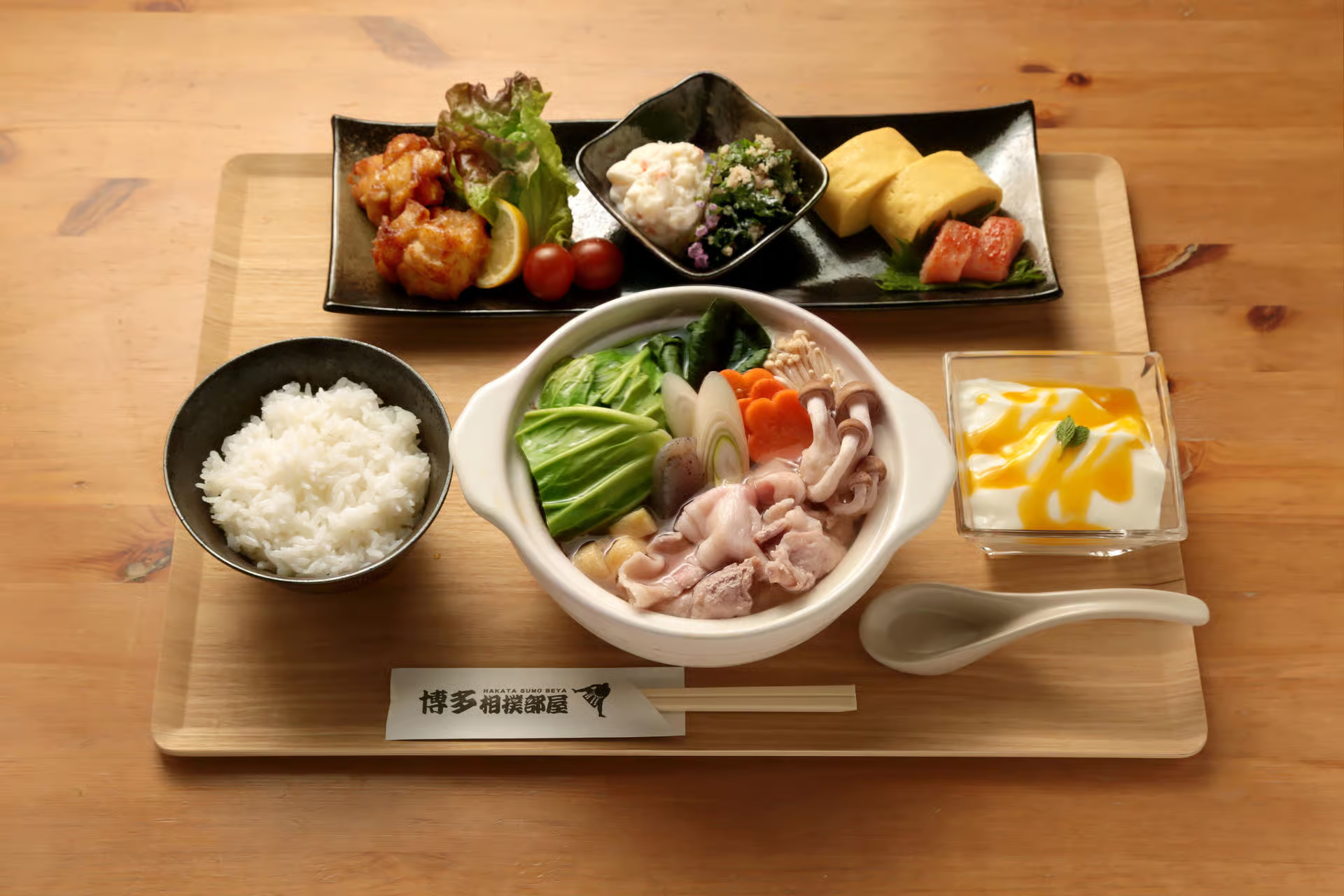
A fourth option, outside the tournament seats entirely, is Hakata Sumo Beya’s chanko-nabe lunch and show, where you can watch demonstrations of sumo movements and, if you’re first in line, put on a costume for a bout of your own against a cast member. It’s a sumo-show restaurant near Fukuoka Airport, not a working stable, and it runs year-round rather than only during the basho. Going with a guide places it alongside the practice visit as the two options that need no tournament ticket at all.
Whichever way you plan to go, book before the banzuke comes out on 26 October. The seats won’t get any easier to find, and the names on them are the only thing still waiting to change.
Check dates for the chair-seat tour →